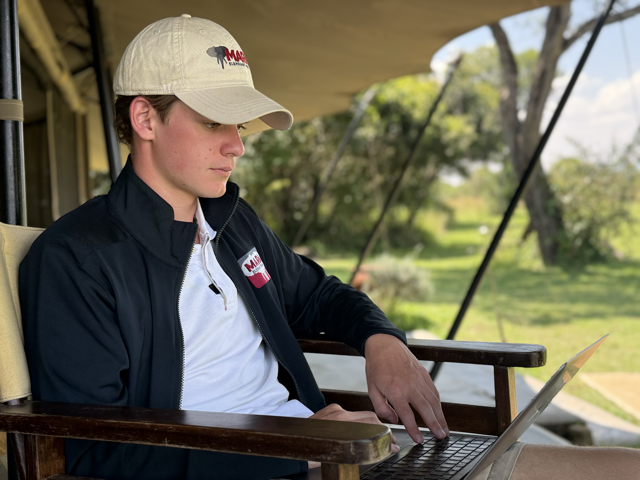
When Will May first learned about the growing challenges of human-elephant conflict across Kenya, he started thinking about how technology could help create faster, more effective solutions.
“Once I learned about human-elephant conflict across Kenya, I thought ‘How can I use AI to solve this problem?’” said May.
That question led to the creation of VirtualRanger, an AI-powered reporting chatbot built on WhatsApp that is changing the way communities and conservation teams communicate during human-elephant conflict incidents.
Supported by How Many Elephants and implemented by Mara Elephant Project, VirtualRanger was designed to give communities living alongside elephants a simple and accessible way to report conflict and connect directly with the teams working to respond.
The idea behind VirtualRanger came from listening to the communities experiencing these challenges firsthand. When May spoke with community members about their previous reporting systems, he heard concerns that response times were often too slow. In situations involving wildlife, even a short delay can mean the difference between preventing conflict and responding after damage has already been done.
“By that time these elephants have already trashed their crops or these lions have already taken out the cattle,” May said. “Hopefully this will give them a direct line to these NGOs who can respond accordingly with tools like drones or helicopters.”
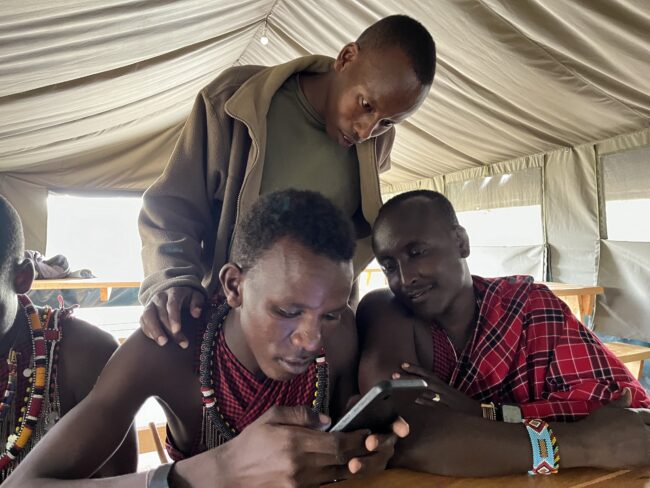
The VirtualRanger reporting process is simple. When a community member experiences a human-elephant conflict incident, they can text the VirtualRanger WhatsApp number and begin a conversation with the AI assistant. They can share details about what is happening, where the incident is taking place, and any other important information about the situation.
VirtualRanger then organizes those details into a report that helps organizations like Mara Elephant Project quickly understand the incident and determine the best response.
For MEP, an organization that regularly responds to human-elephant conflict across the Mara landscape, this tool represents a major step forward. By receiving detailed reports directly from communities, MEP teams can better understand what is happening on the ground and respond as quickly as possible with the appropriate support.
Because when an elephant enters farmland, damages crops, or comes into conflict with a community, every minute matters.
A Direct Connection Between Communities and Conservation Teams
For communities living alongside elephants, reporting conflict has not always been simple. VirtualRanger helps remove that barrier by creating a direct connection between community members and conservation teams through a platform they already know and use.
“WhatsApp has an interface they are already familiar with, features they already use, and it allows them to report directly to these NGOs without learning a new set of skills,” said May.
Instead of filling out complicated forms, users can have a natural conversation with the AI assistant and share information in a way that feels familiar.
“It allows them to have a natural conversation back and forth both in English or Swahili, it can switch between the two languages during the conversation,” May added.
By making reporting easier and more accessible, VirtualRanger helps ensure that important information reaches MEP’s teams faster, allowing them to respond with the right tools, whether that means field teams, drones, helicopters, or other support.
Turning Community Reports into Faster Action
Across the Mara landscape, human-elephant conflict creates challenges for both people and wildlife. Communities need support quickly, and conservation teams need accurate information to understand what is happening before responding.
That is where VirtualRanger can make a game-changing difference.
The AI assistant collects important details about each incident, including location, what happened, and what kind of support may be needed. This information gives MEP response teams a clearer picture of the situation and helps guide the next steps.
“The AI agent collects data on the location and incident to compile a report that can be used to assess what kind of help is needed and from there the conflict can be mitigated in a shorter amount of time,” explained May.
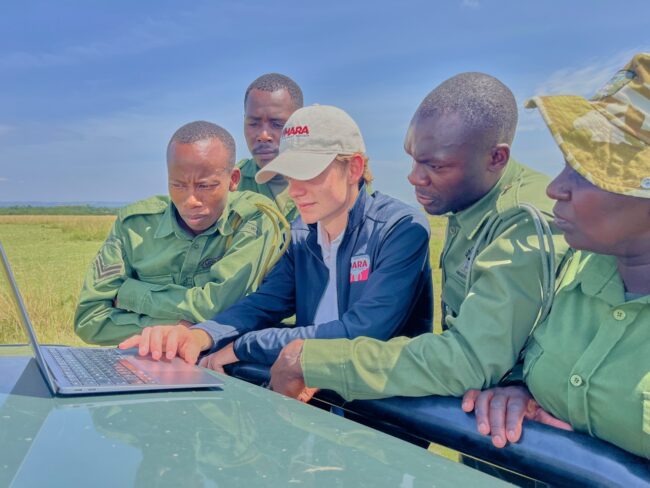
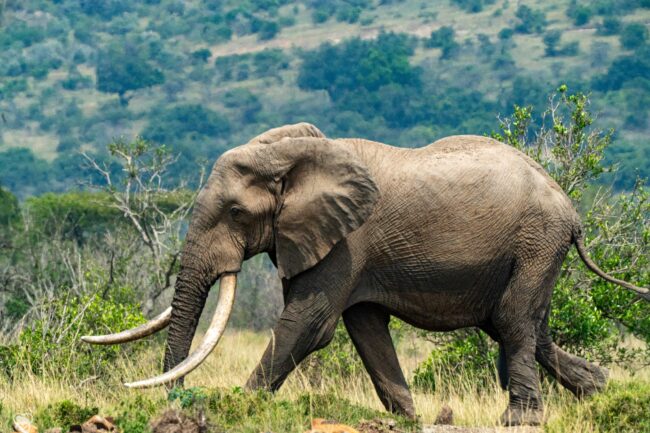
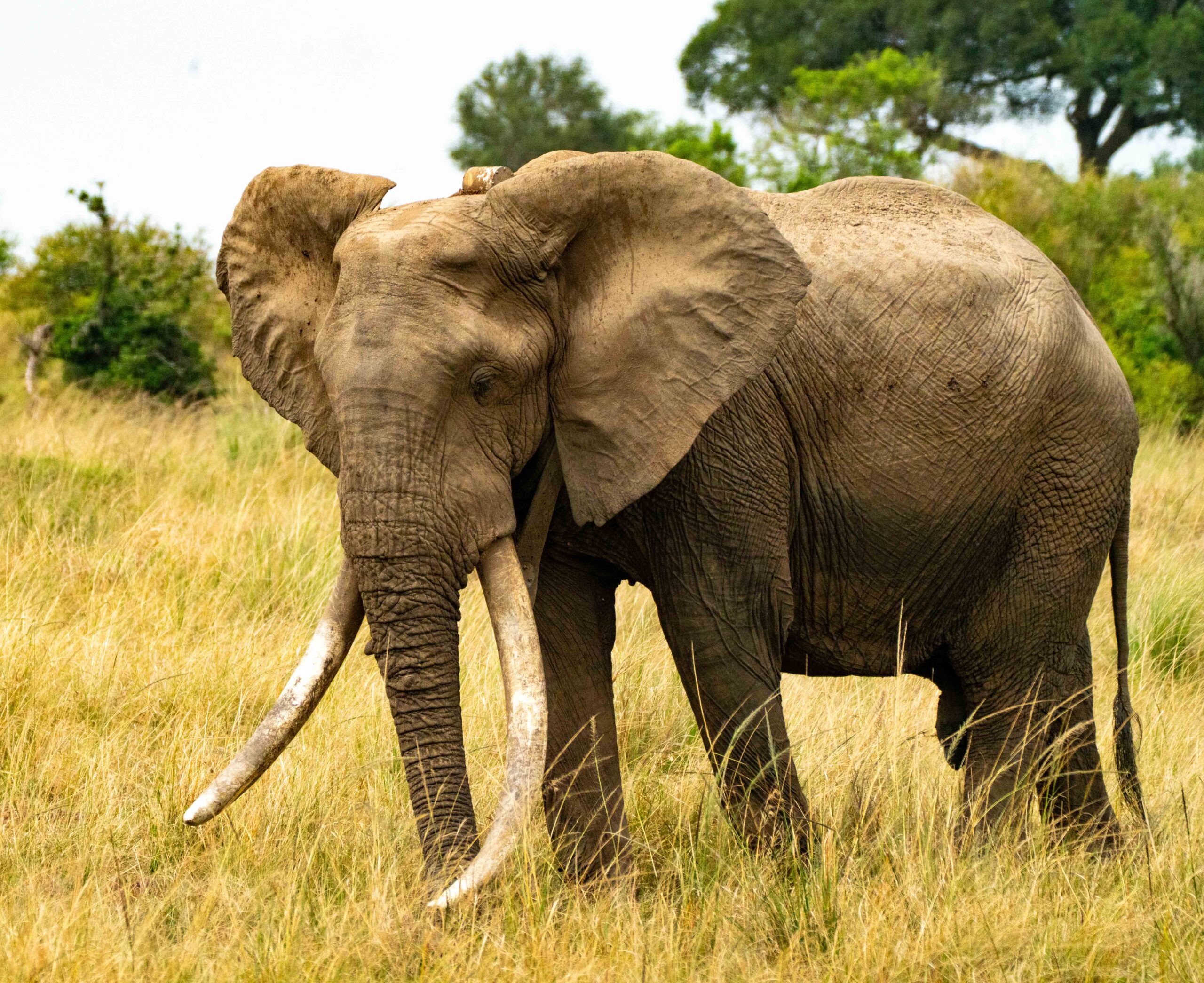
Photo Credit: Patricia Sims
Built with Communities in Mind
The success of VirtualRanger depends on the people who use it.
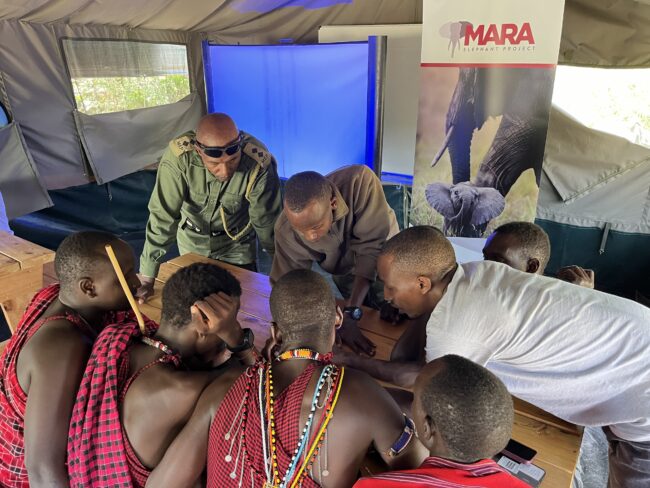
May and MEP have been working with communities in Lemek and surrounding conservancies to introduce the tool and provide training, helping community members understand how it can support them during conflict situations.
“We’ve trained communities in Lemek and surrounding conservancies, and hopefully over the next few months we will conduct trainings outside Lemek,” said May.
“We’ve also trained all of the different MEP team leaders on how to use VirtualRanger who now will be coming back to their teams to teach them and hopefully the teams will be pushing out into the conservancies and their local communities on how to use it.”
Community members have already recognized the value of having a faster and easier reporting system.
“I am happy to learn about VirtualRanger. It is as great application which will help members of my community to report human-elephant conflict incidents with ease,” said Jane Sainko, a Lemek Conservancy community member.
“Thank you to Mara Elephant Project for introducing us to this Chat Bot.”
Expanding Access Through Language
A major focus for May has been making sure VirtualRanger can serve as many people as possible.
The team is continuing to train the AI to communicate in Maa, alongside English and Swahili, allowing more Maasai community members to use the tool in the language they are most comfortable with.
Adding Maa will help expand access to community members who may not be able to report incidents using other languages, making the technology more inclusive and community driven.
A Future Where Technology Supports Conservation
VirtualRanger is not just designed to collect reports. It is helping create a better understanding of where conflict happens and how solutions can continue to improve.
“We hope to add a feature where you can photograph the damage or photograph the elephant and we’d be able to tell you which elephant it is and if you need to be worried, if you don’t need to be worried, if it’s likely to just pass through or to cause damage and what you should and shouldn’t do.”
May hopes the technology can expand throughout Kenya and eventually across Africa, creating more opportunities for communities and conservation organizations to work together.
For Mara Elephant Project, VirtualRanger represents a new opportunity to strengthen the connection between communities and conservation teams. By giving communities stronger voices and providing MEP with the information needed to act faster, this tool is helping create a future where people and elephants can thrive while sharing the same landscape
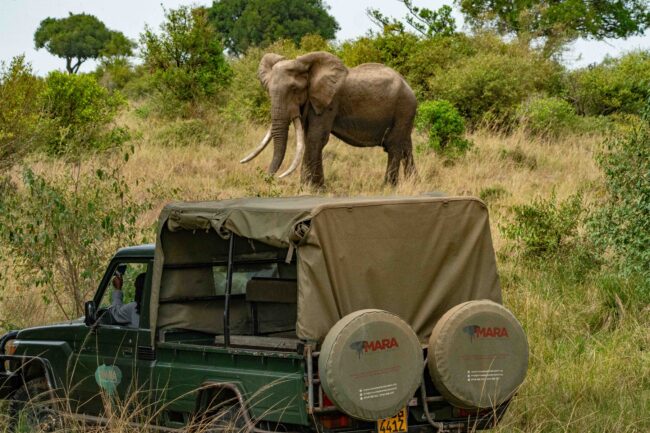
Photo Credit: Patricia Sims