Written by Anya Dabite Abeh
Every year, World Elephant Day reminds us of the beauty, intelligence, and resilience of elephants. Yet behind every photograph of these magnificent animals is a silent struggle they cannot explain to us. Elephants cannot tell us when their ancient migration routes have disappeared. They cannot explain why they suddenly find themselves walking through farms instead of forests. They cannot defend themselves when fear outweighs understanding.
They need people willing to listen.
The Mount Cameroon Landscape, home to one of Central Africa’s remaining populations of African forest elephants, is also one of the regions where human-elephant conflict has become increasingly severe. In some parts of the landscape, elephants have become extremely defensive. Encounters can escalate within seconds, and simply being detected by an elephant may trigger a charge.
I know this because I have experienced it myself. During fieldwork, I have been charged by elephants on several occasions. Those terrifying moments taught me to respect not only the immense power of these animals, but also to ask a deeper question:
What has happened to make them behave this way?
That question became even more important in 2022, following the tragic death of a wildlife ranger during an elephant encounter in Mount Cameroon. Emotions ran high. Many believed the solution was obvious: remove the elephants before another life was lost. Surprisingly, this view was not held only by local communities; even some conservation practitioners supported the idea without fully understanding the realities on the ground.
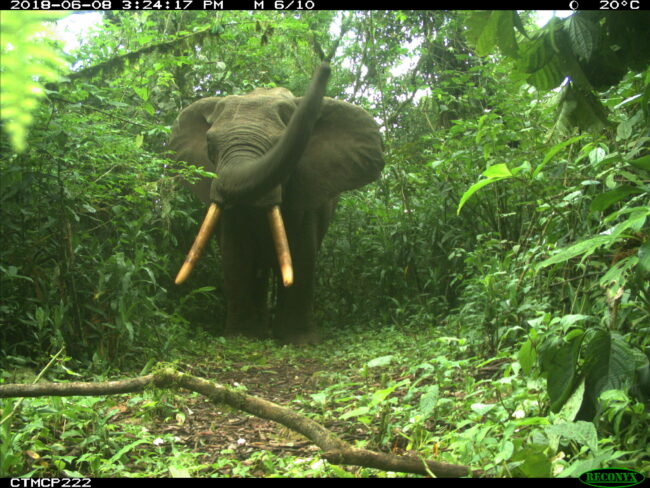
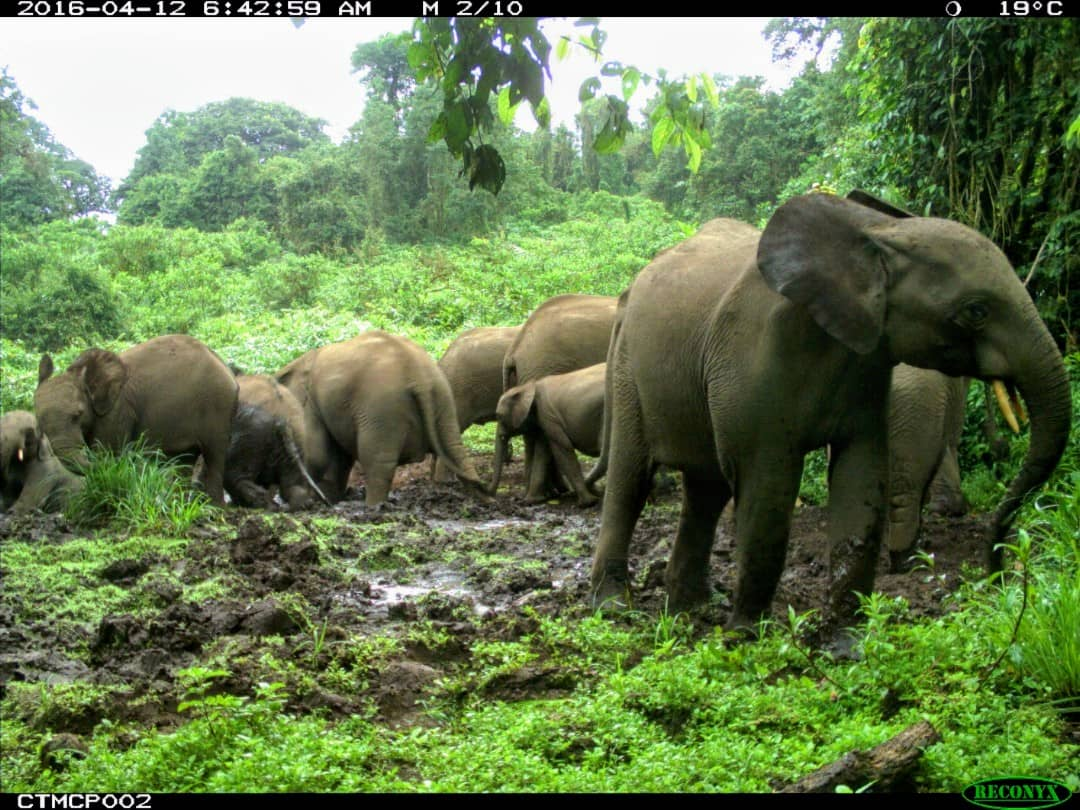
Fig 2. Elephant Bull Mt Cameroon National park captured on camera trap
But conservation cannot be built on fear or emotion. It must be built on evidence.
As someone working in elephant conservation, I could not accept that the elephants alone were the problem. Instead of asking “How do we stop the elephants?” I began asking a different question:
What if the elephants were not the problem?
That single question led me deeper into years of population and migration study for elephants using camera trap capture recapture models. What emerged was a story far more complex than human-elephant conflict.
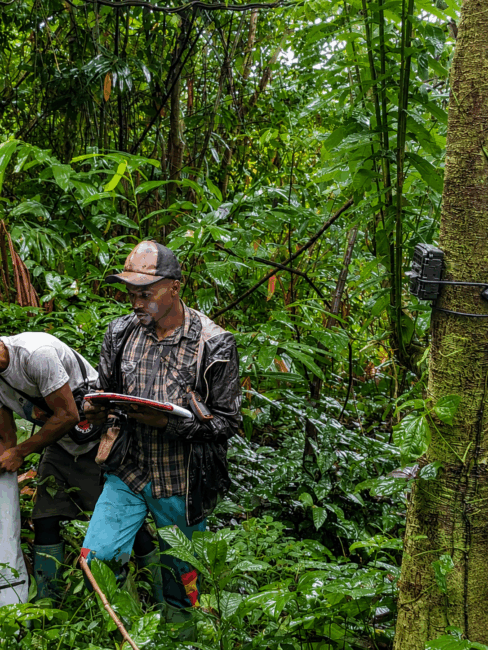
Figure 3. Anya Dabite conducting field data collection on forest elephants in Mount Cameroon National Park
The landscape had changed.
Wildlife corridors have gradually been fragmented by expanding settlements, agriculture, and infrastructure. The 1999 eruption of Mount Cameroon split the landscape into two. The resulting lava flow created a natural barrier, preventing elephants from crossing to the eastern slopes of the park. At the same time, changing climate patterns are placing additional pressure on elephant habitat, forcing elephants closer to communities they once avoided. Surrounding the park are more than 35 villages where farming is the primary source of livelihood. As agriculture expands to support growing communities, forest cover continues to shrink, placing even greater pressure on elephant habitat and increasing the likelihood of conflict.
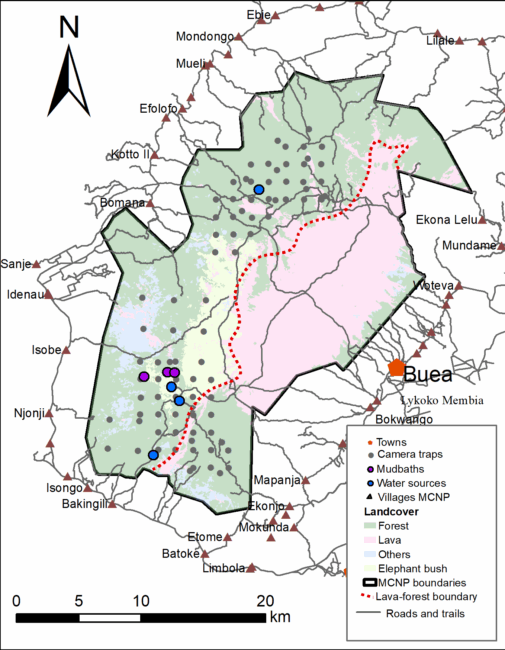
Figure 4. Map produce by Anya showing the areas of the park that have been cut off by the 1999 eruption as well as neighboring villages and landuse in Mt Cameroon
The threats do not end there. Wire snares, often set for smaller wildlife, continue to injure and sometimes kill elephants. Every snare found, every scar recorded, is another reminder that these animals face dangers long before they come into contact with people. The conflict we were witnessing was not simply between people and elephants. It was between wildlife and a landscape that no longer gave them enough room to survive. That realization changed the way I see conservation. Decisions made in moments of grief can have lasting negative consequences. Science gives us the opportunity to understand before we act and sometimes, understanding saves lives, both human and wild.
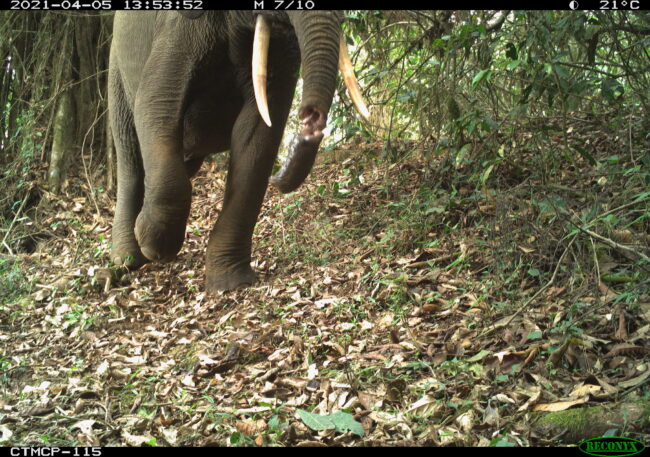
Figure 5. Elephant injury caused by snare captured on camera trap
This World Elephant Day, I think not only of the elephants of Mount Cameroon, but of elephants everywhere whose futures depend on decisions made in rooms they will never enter.
They cannot sit in government meetings.
They cannot present scientific evidence.
They cannot ask us to restore the forests they once called home.
We must do that for them.
___________________________________________________________________________________________________________________________________________
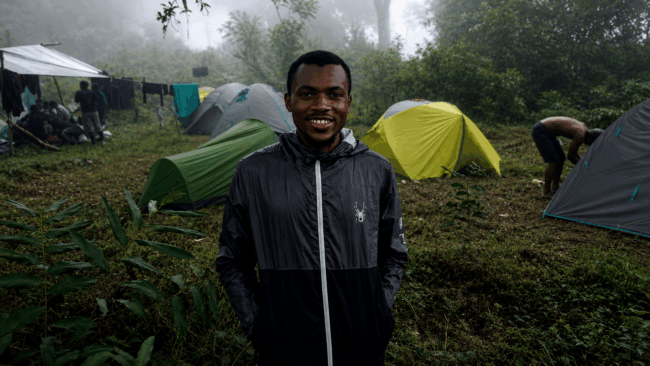
Anya Dabite Abeh is a young Cameroonian biodiversity conservationist and researcher working to advance forest elephant conservation, wildlife monitoring, and community-based conservation in the Mount Cameroon landscape. His work focuses on generating scientific knowledge and developing practical solutions to protect threatened species and promote human-wildlife coexistence.